|
Here is a list of material that was added to the website in 2025. It includes my talks (3), blogs (1), papers (3), anthologies (6), and translations (17); as well as the new books which were added to the Guillaumin Collection (30). I also experimented with new ways to display complex texts online with large numbers of footnotes, glossaries, and indices in what I call "Multi-Pane Readers".
Talks:
- "Donald Trump: Friend, Foe, or Schmo?" A talk to a meeting of the University of the Third Age, Newport, Sydney (5 Feb. 2025). Lecture overheads PDF and Lecture notes and images/graphs HTML
- "The Power of Art: The Depiction 0f Power and Legitimacy in Official Portraits of Kings, Presidents, and Prime Ministers". A talk given to a meeting organised by the University of the Third Age (U3A) on 7 May, 2025, in Newport, Sydney. In HTML Presentation slides in PDF
- "War and the Art of Propaganda" (3 June, 2025). A talk given to the West Pennant Hills Probis Club, 3 June, 2025. Lecture slides in PDF
Blogs:
- "A Declaration of Independence from the State", Reflections on Liberty and Power (8 December, 2025) [online]; with a new "Declaration of Independence" (in the style of Lysander Spooner), and a new "Bill of Rights" in a "pocket edition" and a full version.
Papers:
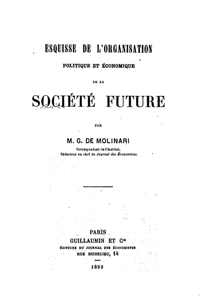
- An Introduction to Gustave de Molinari's Esquisse de l'organisation politique et économique de la Société future (A Sketch of the Political and Economic Organisation of the Society of the Future) (1899). HTML
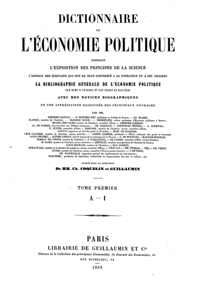
- "A Monument to French Political Economy': the Dictionnaire de l'Économie Politique (1852-53). The Contributions of Gilbert-Urbain Guillaumin (1801-1864), Charles Coquelin (1802-1852), and Gustave de Molinari (1819-1912)". A Paper given at the annual conference of the History of Economic Thought Society of Australia, the University of Western Australia, Perth, 17-18 July, 2025. Paper in HTML and PDF.
- Cato Papers: A series of short essays on the history (7) and some of the key ideas (5) of the classical liberal / libertarian tradition (not online):
- Key ideas:
- "Visions of a Liberal Society: 'The Free and Prosperous Commonwealth'"
- "The Functions of the State"
- "The Four Freedoms: Liberty as the Sum of All Freedoms"
- "Classical Liberal "Ends" and the "Means" to achieve them"
- "The Foundational Principles of Classical Liberalism" - "The Right to Life and Liberty", "Self-ownership and Property in external things", "Justice and the Non-Aggression Principle"
- History:
- Introduction: A Definition of Terms: "Liberal" and Liberalism
- Classical Liberalism and the Struggle for Emancipation and Enrichment
- Proto-Liberals: Liberty before "Liberalism"
- Liberty in the Ancient World and the Medieval Period
- The Renaissance and the Reformation
- The Seventeenth Century. The English Civil Wars and Revolutions of the 17th century (1640–1688)
- The Eighteenth Century. The Enlightenment and Revolutions in Europe and North America (1750–1790)
- Timelines:
- The development of classical liberal thinking about free trade
- The diffferent ways CLs have thought about the proper functions of the state
Anthologies:
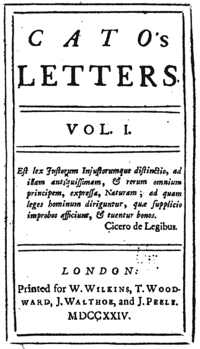
- John Trenchard and Thomas Gordon, Letters on Liberty and Power: An Anthology of Essays from The Independent Whig (1720-21) and Cato's Letters (1720-23). HTML
- An Anthology of Protests of "The Little People" (1641-1652), with 17 items and 182 pages. HTML
- Demanding Liberty: An Anthology of Leveller Agreements of the People, Petitions, Remonstrances, and Declarations (1646-1659) with 30 items and 330 pages. HTML
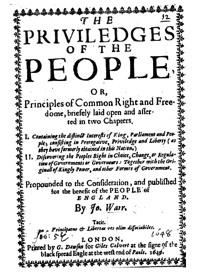
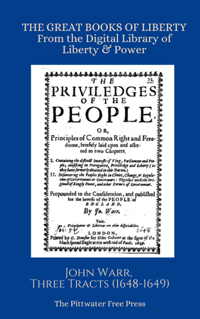
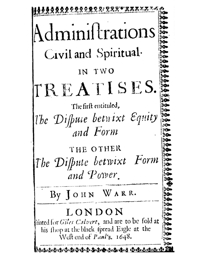
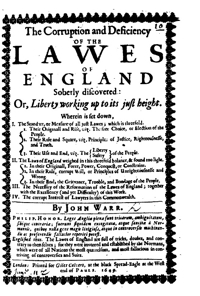
- "The Sparks of Freedom in the Minds of Men": Three Tracts by John Warr (1648-1649) with 3 items and 73 pages. HTML
- An Anthology of Works by William Walwyn (1600-1681) with 29 items in 547 pages. HTML
- An Anthology of Works by John Lilburne (1638-1656) with 51 items in 1488 pages. HTML
Translations:
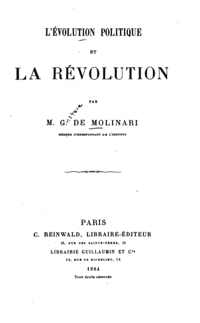
- Gustave de Molinari, L’Évolution politique et la Révolution (Political Evolution and the Revolution). English HTML and French HTML.
- Gustave de Molinari, Esquisse de l’organisation politique et économique de la Société future (A Sketch of the Political and Economic Organisation of the Society of the Future). English HTML and French HTML.
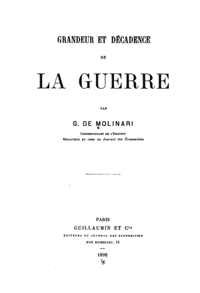
- Gustave de Molinari, Grandeur et décadence de la guerre (The Greatness and Decline of War) (1898) English HTML and French HTML.
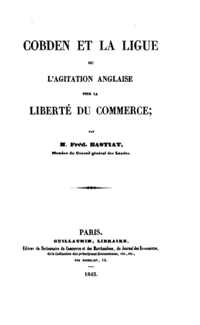
- Frédéric Bastiat's 100 page "Introduction" to his book Cobden et la ligue, ou l’Agitation anglaise pour la liberté du commerce (Cobden and the League, or the English Movement for the Liberty of Commerce) (1845). English HTML and French HTML.
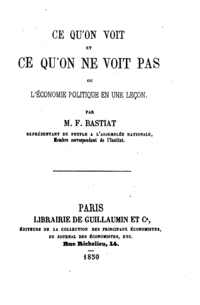
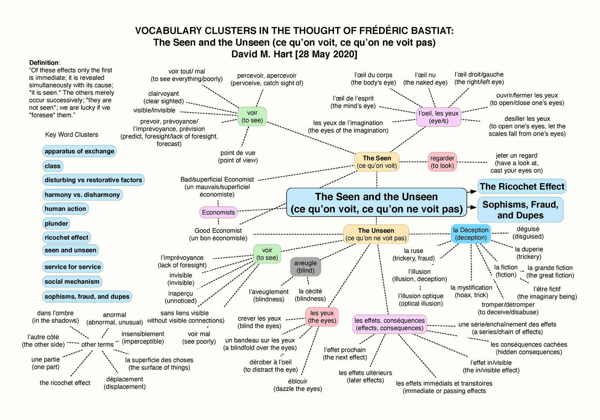
- Frédéric Bastiat, Ce qu’on voit et ce qu’on ne voit pas, ou l’Économie politique en une leçon (What is Seen and What is Not Seen, or Political Economy in One Lesson. The Students Edition). English HTML and French HTML.
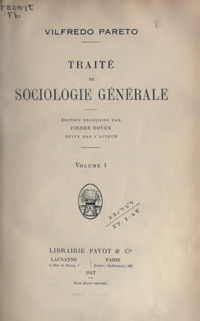
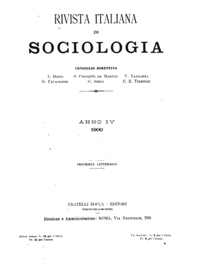
- Vilfredo Pareto, "Un’applicazione di teorie sociologiche" (An Application of Sociological Theories) from Rivista Italiana di sociologia, (Luglio 1900). English HTML and Italian HTML.
- Ambroise Clément, "De la spoliation légale" (On Legal Plunder), Journal des économistes (July, 1848). English HTML and French HTML.
- Gustave de Molinari, A translation of the 12th Lesson on "Public Consumption" in Cours d'économie politique. Deuxième édition (1863). English HTML and French HTML.
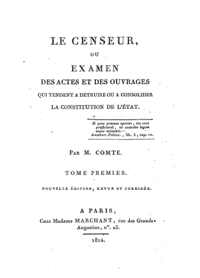
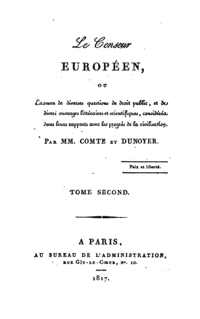
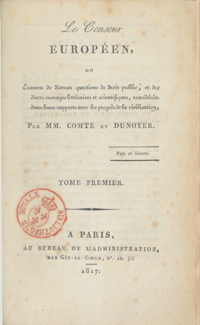
- Charles Comte and Charles Dunoyer, An Anthology of Articles from Le Censeur (1814-1815) and Le Censeur européen (1817-1819): an Anthology of 35 essays in French which are in the proicvess of being translated. HTML. Those done so far:
- Charels Comte:
- "Review of Montlosier on the French Monarchy", Le Censeur T.6 (June 1, 1815), pp. 192-244.
- "On Social Organisation and its Relationship with the Means of Subsistance of Nations", Le Censeur européen, T.2 (March 1817), pp. 1-66.
- "On the Multiplication of the Poor, of Office-Holders, and of Pensioners", Le Censeur européen, T.7 (28 mar. 1818), pp. 1-79.
- Charles Dunoyer:
- "On the Public Spirit in France, and particularly on the spirit of Public Officials", Le Censeur (July/August 1814). English - Part 1 and Part 2; French - Part 1 and Part 2.
- "A review of J.B. Say's "A Small Volume containing some insights into men and society", Le Censeur européen, T.7 (Mar. 1818), pp. 80-126.
- "Considerations on the Present State of Europe, on the Dangers of this State, and on the Means of escaping them", Le Censeur européen, T.2, (March 1817), pp. 67-106.
- "On the Influence exerted on Government by the Salaries paid for carrying out Pubic Functions", Le Censeur européen T.11 (15 Feb. 1819), pp. 75-118.
- "Historical sketch of the doctrines that have been given the name Industrialism", Revue encyclopédique, vol. XXXIII (Jan. 1827).
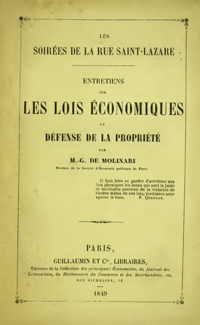
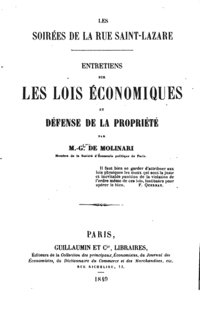
- Gustave de Molinari, Les Soirées de la rue Saint-Lazare; entretiens sur les lois économiques et défense de la propriété (Soirées on rue Saint-Lazare: Discussions about Economic Laws and a Defence of Property). English HTML and French HTML.
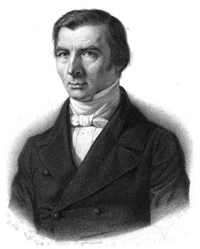
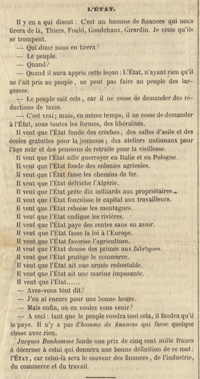
- A Comparative Edition of Frédéric Bastiat's essay on "The State" (1848-49). It contains an introduction and editions of the three versions of his essay in both French and English. HTML.
- Frédéric Bastiat, The Law: The Students Edition. English HTML and French HTML.
- Gustave de Molinari, Les Révolutions et le despotisme envisagés au point de vue des intérêts ("Revolutions and Despotism considered from the Perspective of Material Interests") (1852) - a lecture given at the Museum of Industry in Brussels, on October 4, 1852. English HTML and French HTML.
- Gustave de Molinari, Thoughts on the Future of Liberty (1901-1911). English HTML and French HTML. It contains three items:
- The Achievements of the 19th Century - "Le XIXe siècle", JDE (Jan. 1901).
- The Prospects of the 20th Century - "Le XXe siècle", JDE (Jan. 1902).
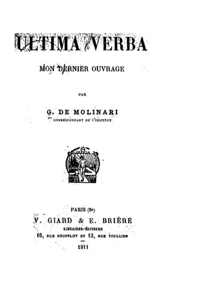
- Molinari's "Last Words" (1911) - extracts
- Gustave de Molinari, The Collected Articles from the Dictionnaire de l'Économie politique (1852-53). With 33 items. English HTML and French HTML.
- Gustave de Molinari, L’évolution politique et la Révolution (Political Evolution and the Revolution) (1884). English HTML and French HTML.
New titles added to Guillaumin Collection (total 233 titles by 115 authors) See the main list:
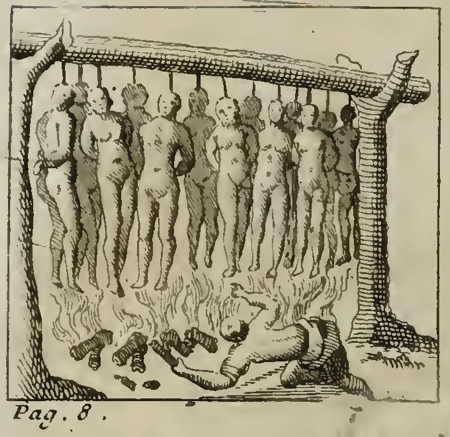
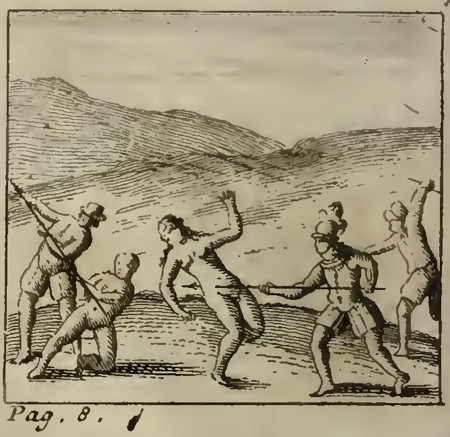
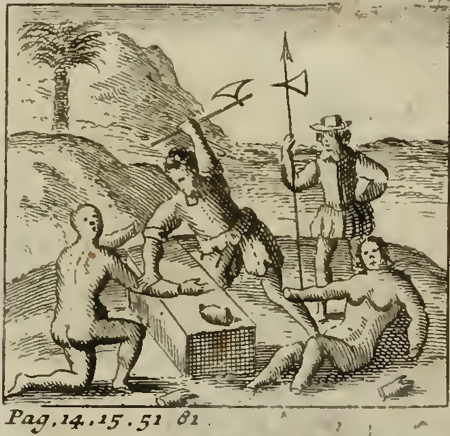
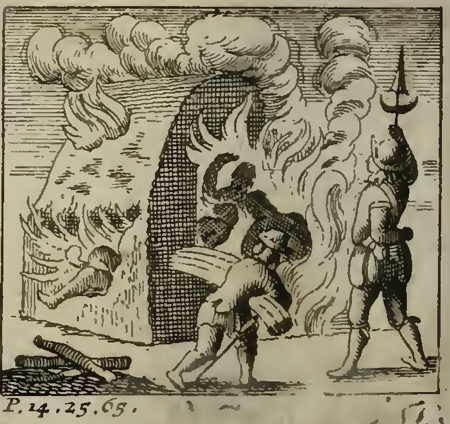
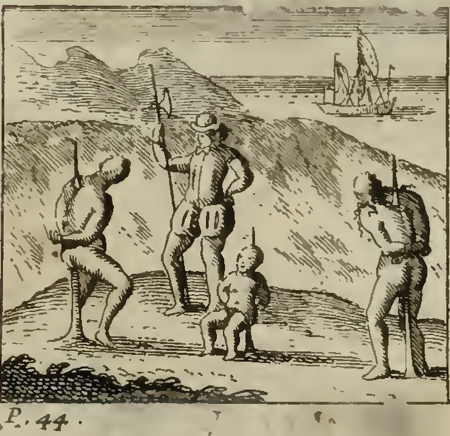
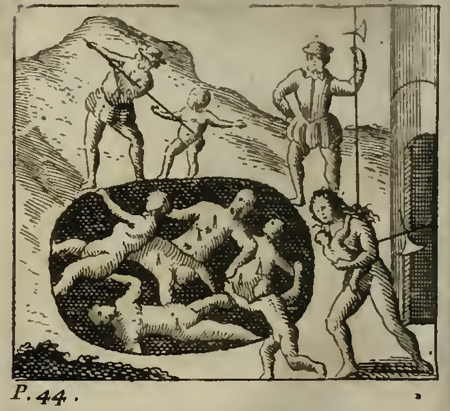
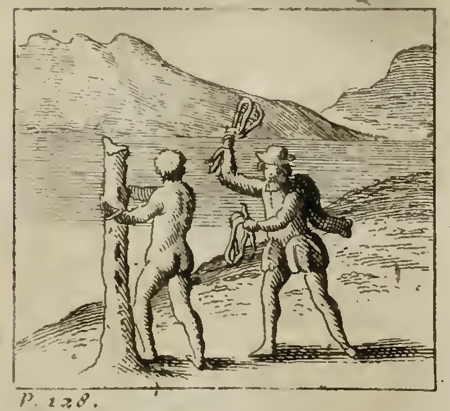
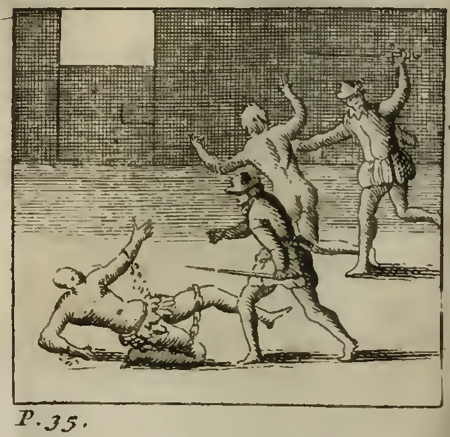
- 1552, 1699: Bartolomé de las Casas, An Account of the Spaniards in America (1552, 1699) HTML
- 1578: Théodore de Bèze, Du droit des magistrats sur leurs subjets (The Right of Magistrates over their Subjects) (1578) HTML
- 1599: Juan de Mariana, De Rege et Regis Institutione (On the King and the Education of the King) (1599) HTML
- 1649: John Warr, "The Sparks of Freedom in the Minds of Men": Three Tracts by John Warr (1648-1649) HTML
- 1652: Gerrard Winstanley, The Law of Freedom in a Platform (1652) HTML
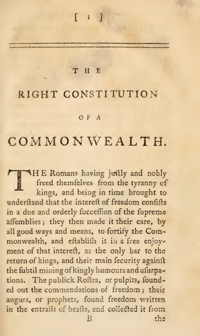
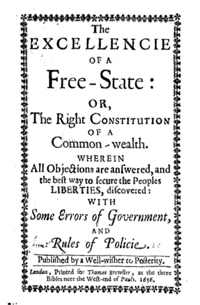
- 1656: Marchmont Nedham, The Excellencie of a Free-State: or, The right constitution of a Common-wealth (1656) HTML
- 1668: Jakob von Grimmelshausen , Der Abentheurliche Simplicissimus Teutsch (1668/69) HTML
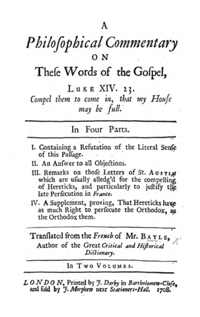
- 1708: Pierre Bayle, A Philosophical Commentary on these Words of the Gospel, Compel them to come in, that my House may be full HTML
- 1721: Thomas Gordon: Three Political Letters to a Noble Lord, Concerning Liberty and the Constitution (1721) HTML and A Supplement to Three Political Letters to a Noble Lord (1721) HTML
- 1723: Trenchard/Gordon], Cato's Vision (1723) HTML
- 1729: Jean Meslier, Le Testament de Jean Meslier (1729) HTML
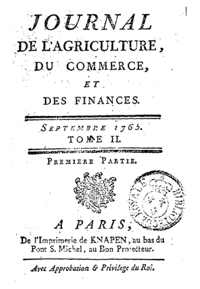
- 1765: François Quesnay, "Observations sur le droit naturel des hommes réunis en société" (Observations on the natural rights of human beings when they are part of society), Journal de l'agriculture, du commerce et des finances (1765) HTML
- 1771: Joseph Priestley, An Essay on the First Principles of Government, and on the Nature of Political, Civil, and Religious Liberty (1771) HTML
- 1778: Richard Price, Two Tracts on Civil Liberty, The War with America, and The Debts and Finances of the Kingdom (1778) HTML
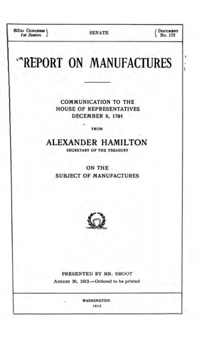
- 1791 (1913): Alexander Hamilton, "Report on Manufactures" (1791) HTML
- 1817; Augustin Thierry, L'Industrie littéraire et scientifique (Literary and Scientific Industry) (1817) HTML
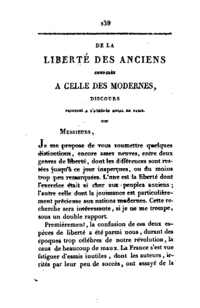
- 1819: Benjamin Constant, “De la liberté des anciens comparée à celle des modernes” (1819) HTML
- 1832: Friedrich Murhard, Ueber Widerstand, Empörung und Zwangsübung der Staatsbürger gegen die bestehende Staatsgewalt (On Resistance, Rebellion, and the Use of Force by the Citizens against the existing State Power) (1832) HTML
- 1848: Charles Coquelin (1802-1852), Du Crédit et des Banques (1848) HTML
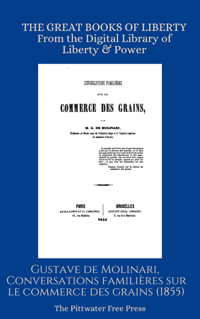
- 1855: Gustave de Molinari, Conversations familières sur le commerce des grains (1855) HTML
- 1856, 1862: American Anti-Slavery Society, Anti-Slavery Tracts (1856, 1862) HTML
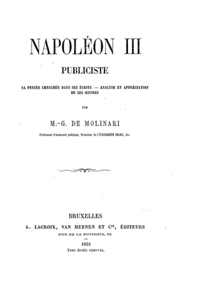
- 1861: Gustave de Molinari, Napoleon III publiciste (Napoleon III, the journalist) (1861) HTML
- 1884: Auberon Herbert, A Politician in Trouble about his Soul (1884) HTML
- 1888: Gustave de Molinari, La Morale économique (An Economic Moral Theory) (1888) HTML
- 1892: Gustave de Molinari, Religion (1892) HTML
- 1896: Gustave de Molinari, Comment se résoudra la question sociale (How to solve the Social Problem) (1896) HTML
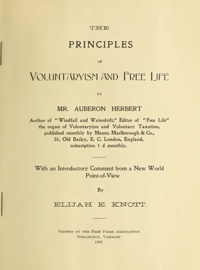
- 1898-99: John Hobson and Auberon Herbert, A Debate on the philosophy of voluntaryism in The Humanitarian: A Monthly Review of Sociological Science (1898-1899) HTML
- 1901: Gustave de Molinari, Les Problèmes du XXe siècle (The Problems of the 20th Century) (1901) HTML
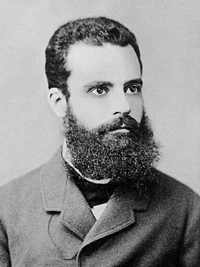
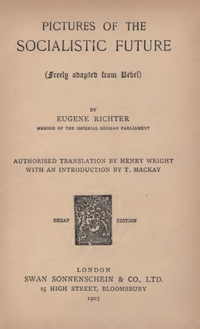
- 1902: Vilfredo Pareto, Les systèmes socialistes (1902-3) HTML
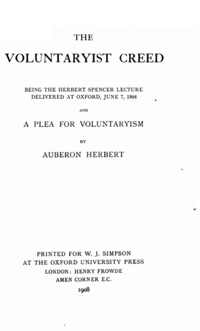
- 1912: Auberon Herbert and J.H. Levy, Taxation and Anarchism: A Discussion (1912) HTML
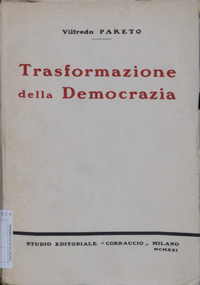
- 1921: Vilfredo Pareto, Trasformazione della democrazia (The Transformation of Democracy) (1921) HTML
Multi-Pane Readers:
- the 3 Pane Reader for texts with many long footnotes, e.g. Molinari
- the 4 Pane Reader for texts with many footnotes, glossaries, and indices, e.g. Pareto and Smith
- the 5 Pane Reader for unusually complex texts with margin notes and major sub-notes which also have margin notes, e.g. Bayle
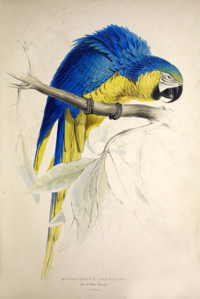
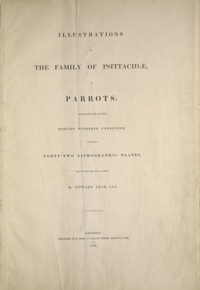
Illustrations (left): They come from Edward Lear, Illustrations of the family of Psittacidæ, or parrots (1832) in facs. PDF. Lear thought of parrots as "live emeralds" who were the emissaries of "the sense of freshness and freedom." I think of them, especially the sulfur crested cockatoos, as hooligans and anarchists (of the bad kind). His affinity to brightly coloured parrots might stem from his rejection of the grey and faceless authority, the "they", who use violence to stifle non-conformists like himself, as he expressed it in the nonsense poem "There was an Old Man with a gong":
There was an Old Man with a gong,
Who bumped at it all day long;
But they called out, 'O law!
You're a horrid old bore!'
So they smashed that Old Man with a gong.
And in another:
There was an Old Man of Whitehaven,
Who danced a quadrille with a raven;
But they said, "It's absurd
To encourage this bird!"
So they smashed that Old Man of Whitehaven.
|