| The Digital Library of Liberty & Power incorporating the Guillaumin Collection of the Great Books of Liberty |
Home | New | Authors | Works | Topics | Papers | Blog | About | Email | Search |
 |
|
VILFREDO PARETO,
"La risposta di Diogene" (Diogenes' Reply) (1893)
 |
 |
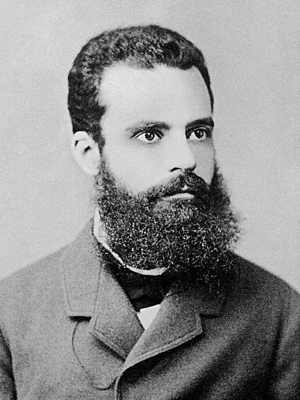
| Vilfredo Pareto (1848-1923) |
|
[Created: 3 February, 2026]
[Updated: 3 February, 2026] |
Source
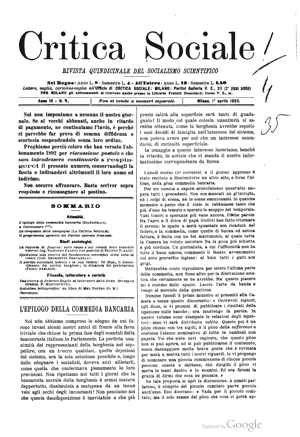
, "La risposta di Diogene sulle cause e sui rimedi degli scandali odierni" (Diogenes’ Reply on the causes of and the remedies for today’s scandals), Critica Sociale. Rivista quindicinale del socialismo scientifico (Milano), Anno III, 1° aprile 1893, pp. 104-5.http://davidmhart.com/liberty/FrenchClassicalLiberals/Pareto/1893-Diogene/index.html
Vifredo Pareto, "La risposta di Diogene sulle cause e sui rimedi degli scandali odierni", Critica Sociale. Rivista quindicinale del socialismo scientifico (Milano), Anno III, 1° aprile 1893, pp. 104-5.
This title is also available in a facsimile PDF of the original.
This book is part of a collection of works by Vilfredo Pareto (1848-1923).
Table of Contents
[104]
LA RISPOSTA DI DIOGENE
sulle cause e sui rimedi degli scandali odierni
(L'ingegnere Vilfredo Pareto, il dotto e tenace apostolo del liberismo in Italia, ci manda la seguente in risposta alla « domanda indiscreta » del nostro collaboratore F. C. inserita nel numero precedente.)
Interrogaste Diogene. Permettete che il suo traduttore [1] risponda, ed a sua volta vi muova una domanda. Se di tanto vorrete essergli cortese, non abuserà dell'ospitalità, e procurerà di discorrere non per difendere le sue idee, ma solo per onesta ricerca della verità.
Principiamo col ben fissare i termini del quesito.
Sul fine da conseguire consentiamo tutti. Si tratta di ottenere la maggiore somma di bene possibile pel maggiore numero di uomini, o, come dicesi ora nella scienza economica, di ottenere il massimo edonistico.
Sui mezzi differiamo. Voi dite che di tutti i mali, che pur troppo esistono nella nostra società, ha colpa il sistema di proprietà capitalista, od in altre parole che questo è il solo ostacolo per conseguire il massimo edonistico. E pare anzi che quel massimo sarà assoluto, e non più o meno grande secondo l'ignoranza e i vizi degli uomini che adopreranno il nuovo sistema.
Noi liberisti non neghiamo che il sistema capitalista porti alcuni mali, ma ci pare che i sistemi che ad esso si vogliono sostituire ne facciano temere dei maggiori. Di una gran parte poi dei guai sociali vediamo la cagione nelle rapine che, mercè l'aiuto della podestà pubblica, alcuni compiono a danno dei più.
A ciò per due vie si potrebbe rimediare. O trovando modo di costituire un governo che non si presti a quelle rapine. Oppure togliendo ad esso l'uso delle facoltà delle quali temiamo l'abuso. Pare a noi che più agevole assai della prima sia la seconda via, ed è per ciò che per essa ci siamo posti.
E il massimo edonistico che speriamo raggiungere è solo uno di quelli che i matematici dicono relativi, cioè non il massimo bene, ma il minor male.
Perció, per me, vorrei poter essere socialista, come vorrei poter essere credente invece di positivista, perché nell'un caso e nell'altro la speranza di un'alta meta è largo compenso ai sacrifizi presenti.
Ma, rispondete voi, ed è nello stesso tempo la vostra domanda, se l'uso di quelle facoltà concesse ai governi è di tanto danno agli uomini, perchè ancora non furono tolte? « Come mai può spiegarsi il fatto che, se la mancanza di libertà economica scatena sul genere umano cosi sordida valanga di guai, la libertà non è instaurata ancora in tutti gli ordini dell'economia sociale? »
Se io scrivessi per scopo di polemica, potrei ritorcere la stessa domanda, negli stessi termini precisi, sostituendo solo sistema capitalista a mancanza di libertà economica. Perché badate che, se tutti i proletari consentissero nel voler togliere il sistema capitalista, questo dovrebbe immediatamente sparire.
Il problema è dunque assai più generale, e mi pare che cosi si potrebbe enunciare: Come mai segue che, mentre i più avrebbero certo il potere di volgere in loro pro le opere del governo, queste [105] in ogni paese ed in ogni tempo sieno state specialmente volte a favorire i meno?
Per me non conosco altro metodo scientifico se non quello sperimentale, onde la risposta a quel quesito l'ho cercata nella storia. Non dico di averla trovata pienamente soddisfacente, non so se la troverò mai, ma ciò che mi pare evidente è che sempre il popolo è stato sacrificato, che sempre col suo lavoro ha dovuto mantenere infiniti parassiti, che sempre i governi sono stati i principali fautori dei suoi nemici, e il mezzo delle rapine che ebbe a patire.
La forma muta, la sostanza di poco differisce, Il plebeo insolvibile dell'antica Roma era chiuso nell'ergastolo del patrizio; oggi lo lasciano libero, perchè hanno scoperto che torna più conto ai suoi padroni, ma lavora e consuma la salute e la vita nelle officine per pagare i frutti dei debiti che essi, per mezzo dello Stato, contrassero in suo nome,
Dei 13 miliardi di debito che ha l'Italia, quanti ne furono spesi pel bene del popolo? Quanti furono sperperati e rubati? Quanti pagarono il lusso delle classi dirigenti, o servirono a soddisfare la loro vanità?
Si può dire lo stesso delle spese annue del bilancio.
Spiegatemi come il popolo italiano tolleri tutto ciò, spiegatemi come tolleri le infamie della Banca romana, le morti di Conselice, di Caltavuturo, di Serradifalco, e come radunato nei suoi comizi elegga per legislatori coloro che lo sfruttano; e poi potrò dirvi come è che non ha ancora inteso una verità tanto più recondita quale è quella dell'utilità della libertà economica.
Sarebbe un abusare della vostra ospitalità se mi facessi ad esporre i molti motivi pei quali, a parer mio, le collettività umane si lasciano più facilmente ingannare e sfruttare dei singoli individui, ma siano qualsivogliano le cagioni, il fatto sussiste, ed è ciò che parmi qui prema.
Ma, se non m'inganno, voi rispondete che il si stema capitalista è cagione che il popolo non sa e non può ribellarsi contro chi lo tiene soggetto.
Ció in parte, lasciamo stare ora se piccola o grande, è vero. E se il sistema capitalista si potesse togliere senza accrescere ad un tempo gli uffici dello Stato, sarebbe cosa da considerarsi molto attentamente.
Ma se invece gli uffici dello Stato dovranno essere accresciuti, ecco la domanda che volevo muovere: come farete per impedire che gli uomini deputati al governo abusino di quelle maggiori facoltà ad essi concesse, come sin qui abusarono delle minori che ebbero?
Il vostro partito sin ora è più onesto di molti altri perché è di opposizione, ma appena vi avvicinerete al potere, vedrete i politicanti fare ressa intorno a või, e famelici chiedervi qualche osso da rosicchiare. Credete forse che Giolitti abbia la menoma predilezione per il sistema che ci regge? Siate domani potenti ed egli vi offrirà i suoi servizi. Avete veduto certi democratici legalitari che si fecero eleggere un tempo parlando al popolo dei suoi diritti, e discorrendo contro la triplice alleanza; e che oggi, per avvicinarsi al potere, lodano questa, e approvano il Ministero quando vuole occultare i misfatti bancari, e quando a Caltavuturo e a Serradifalco riconosce i diritti del popolo col piombo e col carcere? Siate più forti e penano poco a voltare casacca un'altra volta, e a dirsi vostri amici! Chi più socialista di loro? Chi più amante del bene del popolo? Se occorre studieranno anche Marx a mente, come ora studiano l'etichetta di corte!
Tolto il capitale, sarà totlo ogni incentivo a fare male? Non capisco ciò. Qualcuno avrà pure da decidere quale parte della ricchezza nazionale dovrà essere adoperata per costruire macchine, navi, ecc., e se invece di volgerla a questi usi, chi ha facoltà di disporre, l'adoprasse in spese di lusso, o per pagare una maggioranza servile in parlamento, o per fare le spese per orgie come quelle di Arton banchettante con legislatori e con donnine poco vestite?
Ora pur troppo una parte della ricchezza prodotta dal lavoro del popolo serve a siffatti usi; non vorrei che quella parte, invece di scemare, crescesse, e domando come provvederemo per impedire questo guaio.
Fidare nella sola onestà della futura maggioranza parlamentare mi pare andare incontro ad un gran pericolo. Badate solo alla maggioranza che ora serve il ministero Giolitti, o se più vi piace, a quella che si fece comprare dal Depretis, o a quale altra vogliate considerare!
Oggi gli uomini che, coi pasticci bancari, colle convenzioni di ferrovie, o di navigazione, o in mille altri modi, si appropriano naturalmente la ricchezza altrui, fanno sentenziare dai loro giudici che le asciazioni di socialisti sono associazioni di malfattori, perchè intendono a mutare artificialmente la distribuzione della ricchezza; domani, se la vittoria sarà vostra, gli stessi uomini seguiteranno a godersi, sempre naturalmente s'intende, il frutto dell'altrui lavoro, e dagli stessi giudici faranno mettere in carcere gli avversari, accusandoli di non essere buoni socialisti!
Per me non ci vedo altro rimedio che mozzare le unghie e i denti alla belva; che restringere gli uffici dello Stato. Ma non ostante vedrei volontieri in qualche paese un esperimento socialista (più volentieri ancora, s'intende, un esperimento liberista), perchè forse l'esperienza varrebbe a sciogliere alcuni quesiti che ora appaiono insolubili.
Ad ogni modo, sebbene avversario dei socialisti, li rispetto e li onoro, perché alto e nobilissimo é il fine al quale mirano; e credo che molto bene al paese possa recare l'attivo loro procacciare che il popolo si occupi di quesiti economici.
Deh! potesse diradarsi alquanto l'ignoranza che offende la mente dei proletari, e li fa schiavi dei politicanti! Deh! potessero alcuni, sieno liberisti o socialisti non importa, sfrondare l'alloro delle classi governanti, e svelare al popolo, e fare palese a tutti
di che lacrime grondi e di che sangue!
VILFREDO PARETO.
Endnotes
[1] Prego il proto di non stampare: traditore. Mi rimproverate, è vero, di tradurre ladro per lupo. Ma il codice del liberalissimo Zanardelli l'avete dimenticato?
[104]
DIOGENES’ REPLY
on the causes of and the remedies for today’s scandals
di che lacrime grondi e di che sangue
(what tears drip from it, and what blood)!
VILFREDO PARETO.
Footnotes
[1] (Note by Pareto). I beg the compositor not to print: traitor. You criticise me, it is true, for translating thief as wolf. But have you forgotten the code of the most liberal Zanardelli?
[2] (Editor's Note): Pareto says "il massimo edonistico" (the maximum amount of pleasure).
[3] (Editor's Note): Pareto says "rapine" (robberies, pillaging).
[4] (Editor's Note): He says "democratici legalitari".
[5] (Editor's Note): Pareto says "mozzare le unghie e i denti alla belva."
[6] (Editor's Note): Pareto says "classi governanti".
[7] (Editor's Note): This quote comes from Ugo Foscolo's poem "Dei Sepolcri" (Of the Sepulchers), published in 1807. Specifically, the line is part of a passage describing Niccolò Machiavelli:
"Io quando il monumento
Vidi ove posa il corpo di quel grande
Che temprando lo scettro a' regnatori
Gli allòr ne sfronda, ed alle genti svela
Di che lacrime grondi e di che sangue"
When I saw the monument
Where lies the body of that famous man
Who, teaching rulers how to wield the sceptre,
Strips laurel from it, and reveals to all
What tears it drips with and what drops of blood;
(lines 154-158)
Ugo Foscolo , Sepulchres. Translated by J.G. Nichols (Alma Classics, 2015). Lines 154-158, p. 59.