| The Digital Library of Liberty & Power incorporating the Guillaumin Collection of the Great Books of Liberty |
Home | New | Authors | Works | Topics | Papers | Blog | About | Email | Search |
 |
|
[George Mason], The Virginia Bill of Rights (and drafts)
(12 June, 1776)
 |
 |
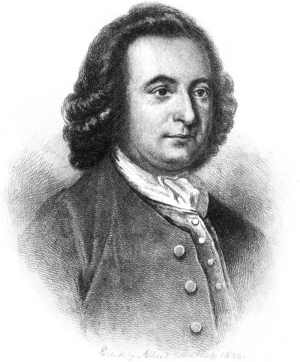
| George Mason (1725-1792) |
|
[Created: 19 January, 2026]
[Updated: 19 January, 2026] |
Source
, The Virginia Bill of Rights (May and June 1776) (The Pittwater Free Press, 2026).http://davidmhart.com/liberty/ClassicalLiberalism/Rights/1776-Virginia-BillOfRights/index.html
We have three versions of the Virginia Bill of Rights:
- George Mason’s Draft (ca. May 20-26, 1776)
- The "Committee Draft" (27 May 1776)
- The "Ratified Version" (June 12, 1776)
George Mason’s Draft (ca. May 20-26, 1776): The Document Bank of Virginia. Library of Virginia. HTML [online elsewhere]. "About 1778, George Mason prepared this copy of his first draft of the Declaration of Rights from memory to indicate what he had initially proposed." See also "The Virginia Declaration of Rights – First Draft" at Gunston Hall - a facs. PDF of his hand written version [online elsewhere].
The "Committee Draft" (27 May 1776): Gunston Hall [online elsewhere]. A printed version of this draft is in the collections of the Virginia Historical Society. It was also published in the Pennsylvania Evening Post on June 6, 1776.
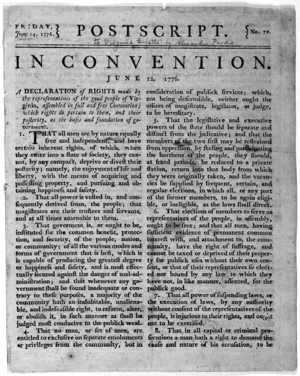
The "Ratified Version" (June 12, 1776): Gunston Hall [online elsewhere]. It was published in the "Postscript" to the Virginia Gazette, Friday, June 14, 1776, no. 72. See the facs. PDF held by the Library of Congress [online elsewhere].
These documents are part of a collection of Bills of Rights and Declarations of Independence.
Table of Contents
George Mason’s Draft (ca. May 20-26, 1776)
A Declaration of Rights made by the Representatives of the good people of Virginia, assembled in full and free Convention; which Rights do pertain to them and their posterity, as the Basis and Foundation of Government.
1. That all men are created equally free & independent, & have certain inherent natural Rights, of which they cannot, by any Compact, deprive or divest their posterity; among which are the Enjoyment of Life & Liberty, with the Means of acquiring & possessing property, & pursuing & obtaining Happiness & Safety.
2. That all power is by God & Nature vested in, & consequently derived from the people; that Magistrates are their Trustees & Servants; and at all Times amenable to them.
3. That Government is or ought to be, instituted for the common Benefit, protection & Security of the people, Nation, or Community. Of all the various Modes & Forms of Government that is best, which is capable of producing the greatest Degree of Happiness & Safety, & is most effectually secured against the Danger of Mal-Administration; and that whenever any Government shall be found inadequate or contrary to these purposes, a Majority of the Community hath an indubitable, unalienable, & indefeasible Right, to reform, alter, or abolish it, in such Manner as shall be judged most conducive to the public Weal.
4. That no Man, or Set of Men are entitled to exclusive or separate Emoluments or Privileges from the Community, but in Consideration of public Services; which not being descendible, neither ought the Offices of Magistrate, Legislator, or Judge, to be hereditary.
5. That the Legislative & executive powers of the State shou'd be separate & distinct from the judicial; and that the Mem[bers] of the two first may be restrained from Oppression by feeling & participating the Burthens of the People, they shou'd, at fixed Periods, be reduced to a private Station, & return into that Body from which they were originally taken; and the Vacancys be supplied by frequent, certain & regular Elections.
6. That Elections of Members, to serve as Representatives of the People in the Legislature, ought to be free, and that all Men having sufficient Evidence of permanent common Interest with, & Attachment to the Community, have the Right of Suffrage; and can not be taxed, or deprived of their property for public Uses, without their own Consent, or that of their Representatives so elected, nor bound by any Law to which they have not, in like Manner, assented for the common Good.
7. That all power of suspending Laws, or the Execution of Laws, by any Authority, without Consent of the Representatives of the People, is injurious to their Rights, and ought not to be exercised.
8. That in all capital or criminal prosecutions, a Man hath a Right to demand the Cause & Nature of his Accusation, to be confronted with the Accusers & Witnesses, to call for Evidence in his Favour, and to a speedy Trial by an impartial Jury of his Vicinage, without whose unanimous Consent He can not be found guilty, nor can he be compelled to give Evidence against himself; And that no Man be deprived of his Liberty, except by the Law of the Land, or the Judgment of his Peers.
9. That excessive Bail ought not to be required, nor excessive Fines imposed, nor cruel & unusual punishments inflicted.
10. That in Controversies respecting property, and in Suits between Man & Man, the ancient Trial by Jury is preferable to any other, & ought to be held sacred.
11. That the Freedom of the Press is one of the great Bulwarks of Liberty, and can never be restrained but by despotic Government.
12. That a well regulated Militia, composed of the Body of the People trained to Arms, is the proper, natural, & safe Defence of a free State; that standing Armies, in Time of Peace, shou'd be avoided, as dangerous to Liberty; and that, in all Cases, the Military shou'd be under strict Subordination to, & governed by the Civil power.
13. That no free Government, or the Blessing of Liberty, can be preserved to any People, but by a firm Adherence to Justice, Moderation, Temperance, Frugality & Virtue, and by frequent Recurrence to fundamental Principles.
14. That Religion, or the Duty which We owe to our Creator, and the Manner of discharging it, can be directed only by Reason & Conviction, not by Force or Violence, and therefore that all men shou'd enjoy the fullest Toleration in the Exercise of Religion, according to the Dictates of Conscience unpunished, & unrestrained by the Magistrate; unless under Colour of Religion, any Man disturb the Peace, the Happiness, or the Safety of Society: And that it is the Duty of all to practice Christian Forbearance, Love, & Charity towards each other.
Added by later hands:
(2 more articles were added Viz the 10th & 14th in the adopted Bill—not of fundamental nature.)
(This Declaration of Rights was the first in America; it received few alterations or additions in the Virginia Convention (some of them not for the better) and was afterwards closely imitated by the other United States.)
The "Committee Draft" (27 May 1776)
(Note: Angle brackets < > in the text reflect the substantive changes from George Mason’s first draft.)
A DECLARATION of RIGHTS made by the representatives of the good people of Virginia, assembled in full and free Convention; <which rights do pertain to us, and our> posterity, as the basis and foundation of government.
Article 1
THAT all men are born equally free and independent, and have certain inherent natural rights, of which they cannot, by any compact, deprive or divest their posterity; among which are, the enjoyment of life and liberty, with the means of acquiring and possessing property, and pursuing and obtaining happiness and safety.
Article 2
That <all> power is vested in, and consequently derived from, the people; that magistrates are their trustees and servants, and at all times amenable to them.
Article 3
That government is, or ought to be, instituted for the common benefit, <protection,> and security, of the people, nation, or community, of all the various modes and forms of government that is best, which is capable of producing the greatest degree of happiness and safety, and is most effectually secured against the danger of mal-administration; and that whenever any government shall be found inadequate or contrary to these purposes, a majority of the community hath an indubitable, unalienable, indefeasible right, to reform, alter, or abolish it, in such manner as shall be judged most conductive to the publick Weal.
Article 4
That no man, or set of men, are entitled to exclusive or separate emoluments or privileges from the community, but in consideration of publick services; which, not being descendible, or hereditary, the idea of a man born a magistrate, a legislator, or a judge, is unnatural and absurd.
Article 5
That the legislative and executive powers of the state should be separate and distinct from the judicative; and that the members of the two first may be restrained from oppression, by feeling and participating the burthens of the people, they should, at fixed periods, be reduced to a private station, return into that body from which they were <originally> taken, <and the vacancies be supplied> by frequent, certain, and regular elections.
Article 6
<That elections of members to serve as representatives of the people, in assembly, ought to be free; and that all men, having sufficient evidence of permanent common interest with, and attachment to, the community, have the right of suffrage.>
Article 7
That no part of a man’s property can be taken from him, or applied to publick uses, without his own consent, or that of his legal representatives; nor are the people bound by any laws but such as they have, in like manner, assented to, for their common good.
Article 8
<That all power of suspending laws, or the execution of laws, by any authority without consent of the representatives of the people, is injurious to their rights, and ought not to be exercised.>
Article 9
That laws having retrospect to crimes, and punishing offences, committed before the existence of such laws, are generally <oppressive,> and ought to be avoided.
Article 10
That in all capital or criminal prosecutions a man hath a right to demand the cause and nature of his accusation, to be confronted with the accusers or witnesses, to call for evidence in his favour, and to a speedy trial by an impartial jury of his vicinage, without whose unanimous consent he cannot be found guilty, <nor> can he be compelled to give evidence against himself; that <no man be deprived of his liberty except by the law of the land, or the judgment of his peers>.
Article 11
<That excessive bail ought not to be required, nor excessive fines impossed, nor cruel and unusual punishments inflicted.>
Article 12
<That warrants unsupported by evidence, whereby any officer or messenger may be commanded or required to search suspected places, or to seize any person or persons, his or their property, not particularly described, are grievous and oppressive, and ought not to be granted.>
Article 13
That in controversies respecting property, and in suits between man and man, the ancient trial by jury is preferable to any other, and ought to be held sacred.
Article 14
That the freedom of the press is one of the great bulwarks of liberty, and can never be restrained but by despotick governments.
Article 15
<That a well regulated militia, composed of the body of the people, trained to arms, is the proper, natural, and safe defence of a free state; that standing armies, in time of peace, should be avoided, as dangerous to liberty; and that, in all cases, the military should be under strict subordination to, and governed by, the civil power.>
Article 16
<That the people have a right to uniform government; and therefore, that no government separate from, or independent of, the government of Virginia, ought, of right, to be erected or established within the limits thereof.>
Article 17
That no free government, or the blessing of liberty, can be preserved to any people but by a firm adherence to justice, moderation, temperance, frugality, and virtue, and by frequent recurrence to fundamental principles.
Article 18
That religion, or the duty which we owe to our CREATOR, and the manner of discharging it, can be <directed> only by reason and conviction, not by force or violence; and therefore, that all men should enjoy the fullest toleration in the exercise of religion, according to the dictates of conscience, unpunished and unrestrained by the magistrate, unless, under colour of religion, any man disturb the peace, the happiness, or safety of society. And that it is the mutual duty of all to practice Christian forbearance, love, and charity, towards each other.
The "Ratified Version" (June 12, 1776)
A DECLARATION OF RIGHTS made by the Representatives of the good people of VIRGINIA, assembled in full and free Convention; which rights do pertain to them and their posterity, as the basis and foundation of Government.
Article 1
That all men are by nature equally free and independent, and have certain inherent rights, of which, when they enter into a state of society, they cannot, by any compact, deprive or divest their posterity; namely, the enjoyment of life and liberty, with the means of acquiring and possessing property, and pursuing and obtaining happiness and safety.
Article 2
That all power is vested in, and consequently derived from, the people; that magistrates are their trustees and servants, and at all times amenable to them.
Article 3
That government is, or ought to be, instituted for the common benefit, protection, and security of the people, nation or community; of all the various modes and forms of government that is best, which is capable of producing the greatest degree of happiness and safety and is most effectually secured against the danger of maladministration; and that, whenever any government shall be found inadequate or contrary to these purposes, a majority of the community hath an indubitable, unalienable, and indefeasible right to reform, alter or abolish it, in such manner as shall be judged most conducive to the public weal.
Article 4
That no man, or set of men, are entitled to exclusive or separate emoluments or privileges from the community, but in consideration of public services; which, not being descendible, neither ought the offices of magistrate, legislator, or judge be hereditary.
Article 5
That the legislative and executive powers of the state should be separate and distinct from the judicative; and, that the members of the two first may be restrained from oppression by feeling and participating the burthens of the people, they should, at fixed periods, be reduced to a private station, return into that body from which they were originally taken, and the vacancies be supplied by frequent, certain, and regular elections in which all, or any part of the former members, to be again eligible, or ineligible, as the laws shall direct.
Article 6
That elections of members to serve as representatives of the people in assembly ought to be free; and that all men, having sufficient evidence of permanent common interest with, and attachment to, the community have the right of suffrage and cannot be taxed or deprived of their property for public uses without their own consent or that of their representatives so elected, nor bound by any law to which they have not, in like manner, assented, for the public good.
Article 7
That all power of suspending laws, or the execution of laws, by any authority without consent of the representatives of the people is injurious to their rights and ought not to be exercised.
Article 8
That in all capital or criminal prosecutions a man hath a right to demand the cause and nature of his accusation to be confronted with the accusers and witnesses, to call for evidence in his favor, and to a speedy trial by an impartial jury of his vicinage, without whose unanimous consent he cannot be found guilty, nor can he be compelled to give evidence against himself; that no man be deprived of his liberty except by the law of the land or the judgement of his peers.
Article 9
That excessive bail ought not to be required, nor excessive fines imposed; nor cruel and unusual punishments inflicted.
Article 10
That general warrants, whereby any officer or messenger may be commanded to search suspected places without evidence of a fact committed, or to seize any person or persons not named, or whose offense is not particularly described and supported by evidence, are grievous and oppressive and ought not to be granted.
Article 11
That in controversies respecting property and in suits between man and man, the ancient trial by jury is preferable to any other and ought to be held sacred.
Article 12
That the freedom of the press is one of the greatest bulwarks of liberty and can never be restrained but by despotic governments.
Article 13
That a well regulated militia, composed of the body of the people, trained to arms, is the proper, natural, and safe defense of a free state; that standing armies, in time of peace, should be avoided as dangerous to liberty; and that, in all cases, the military should be under strict subordination to, and be governed by, the civil power.
Article 14
That the people have a right to uniform government; and therefore, that no government separate from, or independent of, the government of Virginia, ought to be erected or established within the limits thereof.
Article 15
That no free government, or the blessings of liberty, can be preserved to any people but by a firm adherence to justice, moderation, temperance, frugality, and virtue and by frequent recurrence to fundamental principles.
Article 16
That religion, or the duty which we owe to our Creator and the manner of discharging it, can be directed by reason and conviction, not by force or violence; and therefore, all men are equally entitled to the free exercise of religion, according to the dictates of conscience; and that it is the mutual duty of all to practice Christian forbearance, love, and charity towards each other.
Adopted unanimously June 12, 1776
Virginia Convention of Delegates